OpenAI Licensed Access to Yelp’s Trusted Local Content: Here’s What It Means for Multi-Location Brands
Yelp’s OpenAI deal changes local search: Learn how multi-location brands can win AI answers with better data, reviews and GEO.

- AI platforms are now paying for the local data they lack, which means the sources describing your locations decide whether you show up in the answer at all
- Reviews have stopped being a score and started being source material: a model reads the words customers actually used, so the attributes nobody writes about are the questions your locations quietly lose
- No brand was ever written into an AI answer by a dashboard, and the gap between seeing the problem and fixing it is where the work now sits

Yelp is licensing reviews, photos, ratings and business information to OpenAI, giving ChatGPT a source of local recommendation data it did not previously have. The arrangement is non-exclusive, which leaves Yelp free to sign similar agreements with other AI companies.
The Answer Is Assembled, Not Ranked
Local questions have been a weak spot for large language models, and the deal signals that third-party data will play a much larger role in how AI platforms answer them.
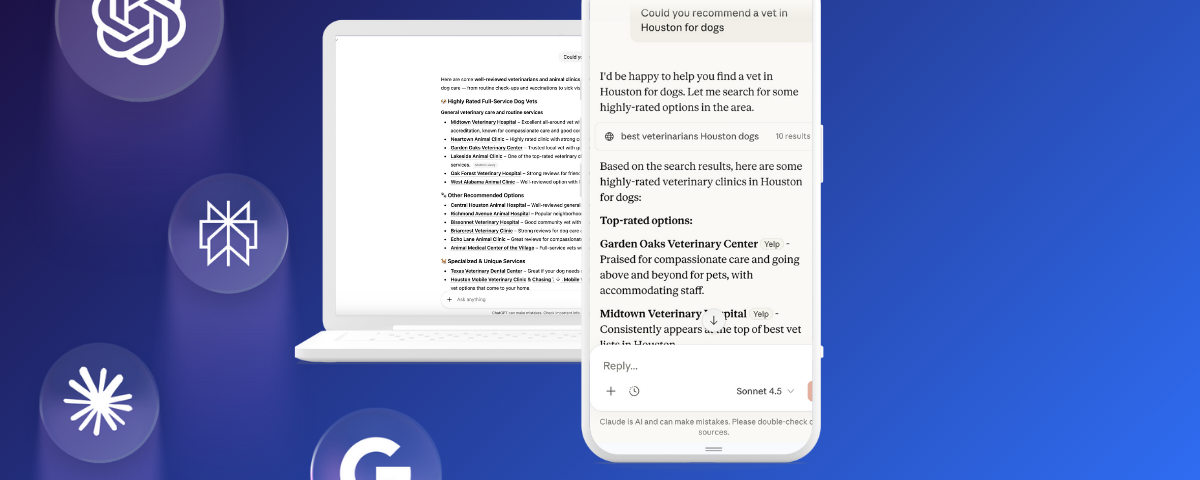
That is a different mechanism from the one local marketing and moreover, SEO, was built around. Ranking worked on a page that could be seen and a position that could be climbed. An AI answer has neither. When someone asks which dentist nearby is good with nervous patients, the model writes a single response on the spot, from whatever sources it can reach at that moment.
Until now, marketers could only infer which sources those were. The Yelp agreement makes it explicit. A model provider identified a gap in its local data and paid a third party to fill it.
The behavior change underneath all of this is not gradual. Uberall puts the share of consumers using AI tools for local recommendations at 45%, up from 6% a year earlier.
Two Things Brands Don’t Influence
- Where the record travels. A brand can claim and manage its Yelp pages, and it should. Uberall syncs location data to Yelp along with 150 other directories for exactly that reason. What no brand can do is decide where that information goes next.
- Presentation of the answer. Yelp's branding and links will appear when OpenAI uses its content, and the design of that experience sits with OpenAI.
The commercial stakes rise with a feature due to follow. Yelp's Request a Quote is coming to ChatGPT, letting users request quotes, book consultations and schedule appointments. A brand absent from that answer has not lost a ranking position. It has lost a potential customer who never appeared in its analytics.
Consumer expectations appear to be moving in a related direction. Research Yelp published in April, conducted by Morning Consult among 2,202 US adults, found that 65% had used an AI search tool in the previous six months while only 15% said they trusted the information a lot. Nearly two thirds reported double-checking AI results against sources they trust, and 72% said AI platforms should always show where information came from. If attribution becomes standard, what individual sources say about a business becomes more visible, not less.
What Brands Do Influence
What sources already say about them, and what AI models like ChatGPT get to read next.
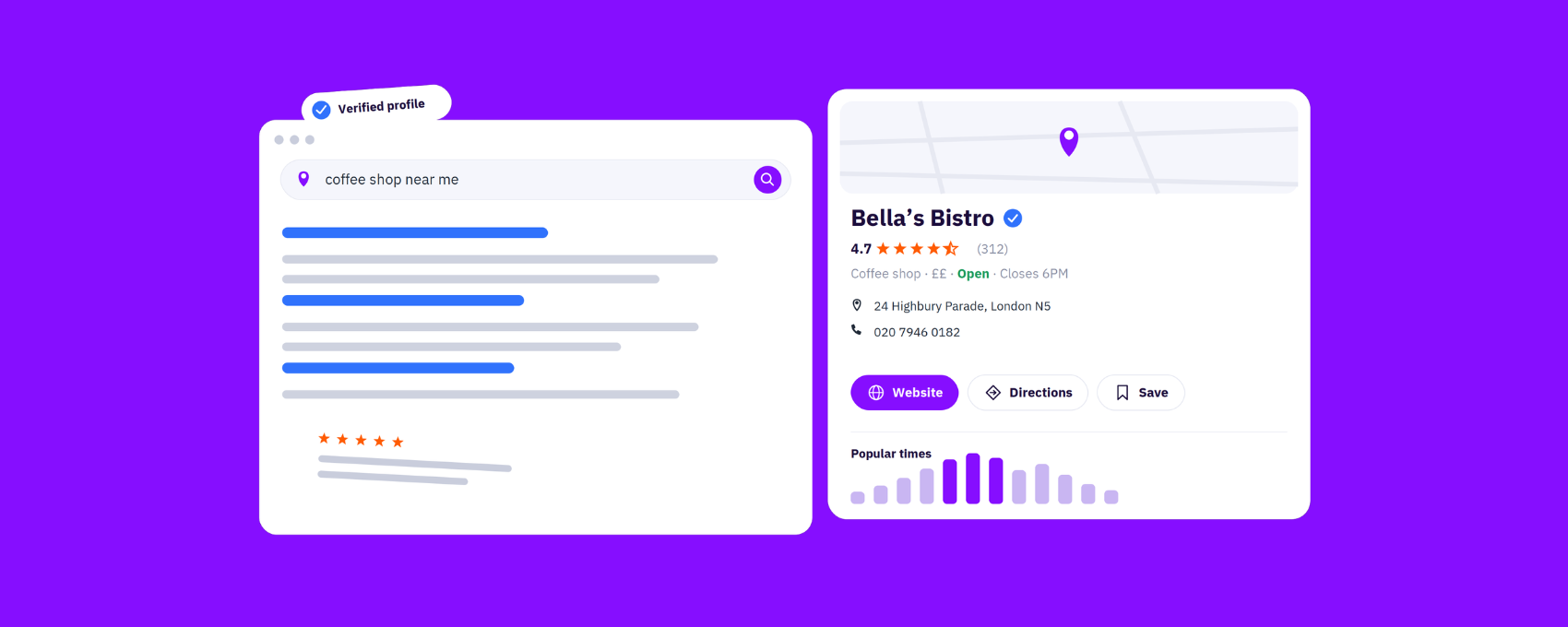
1. What the sources say. The factual layer is the familiar part. Hours, services, categories and addresses, multiplied across hundreds or thousands of locations. When that data is wrong or missing, that information is either displayed inaccurately in AI search or a competitor who offers relevant services with more complete information may be displayed instead. Reviews are the less familiar half, because the shift there is qualitative. Search treated them as a score. A model reads them. A question about a hotel that is genuinely quiet is answered from the language customers used rather than a star average. What matters now:
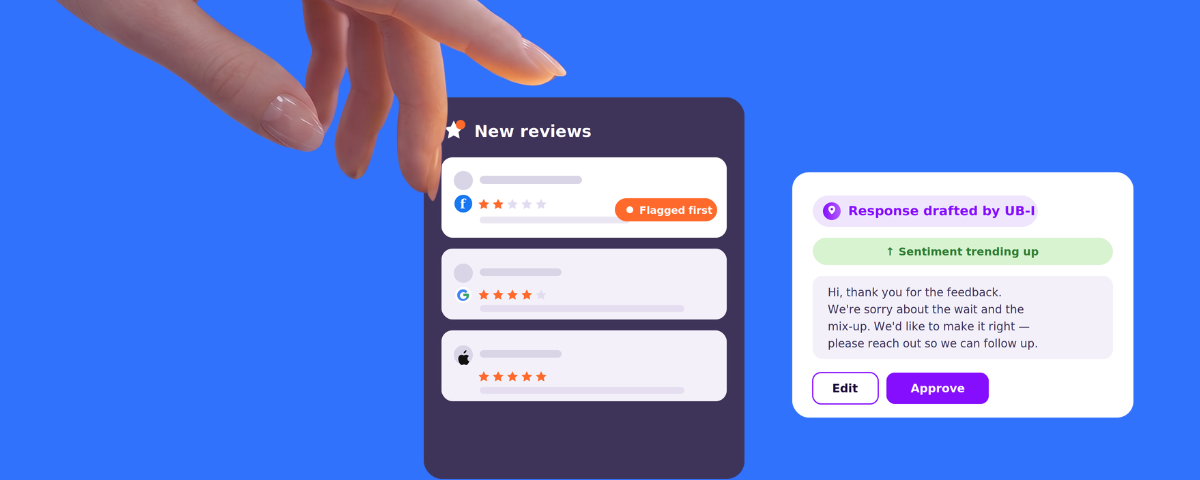
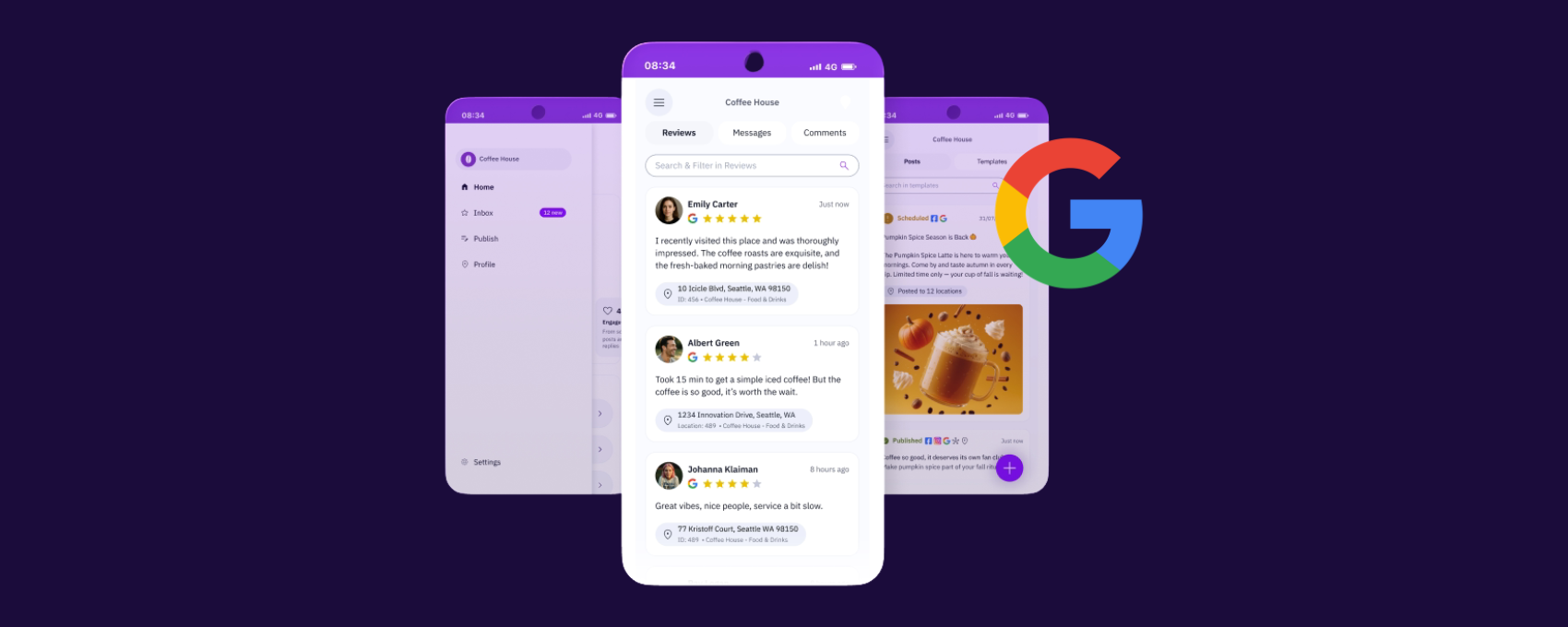
Uberall's reputation management centralizes reviews from Google, Yelp, TripAdvisor and more than 80 other platforms, handles responses across locations at volume, and runs sentiment analysis to surface the recurring themes behind them.
2. What the models read next. The more active lever is the one most brands have not picked up on yet. Content can be written to win the questions your brand is losing, structured so AI models can cite it, published where AI models look, and corrected when models get it wrong. This is Generative Engine Optimization, or GEO, and it is not search engine optimization with a new name.
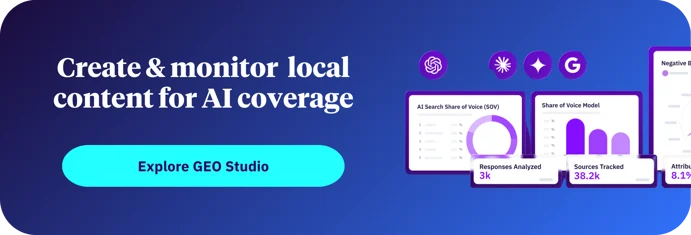
Most AI visibility tools stop at measurement. Uberall’s GEO Studio starts there and keeps going.
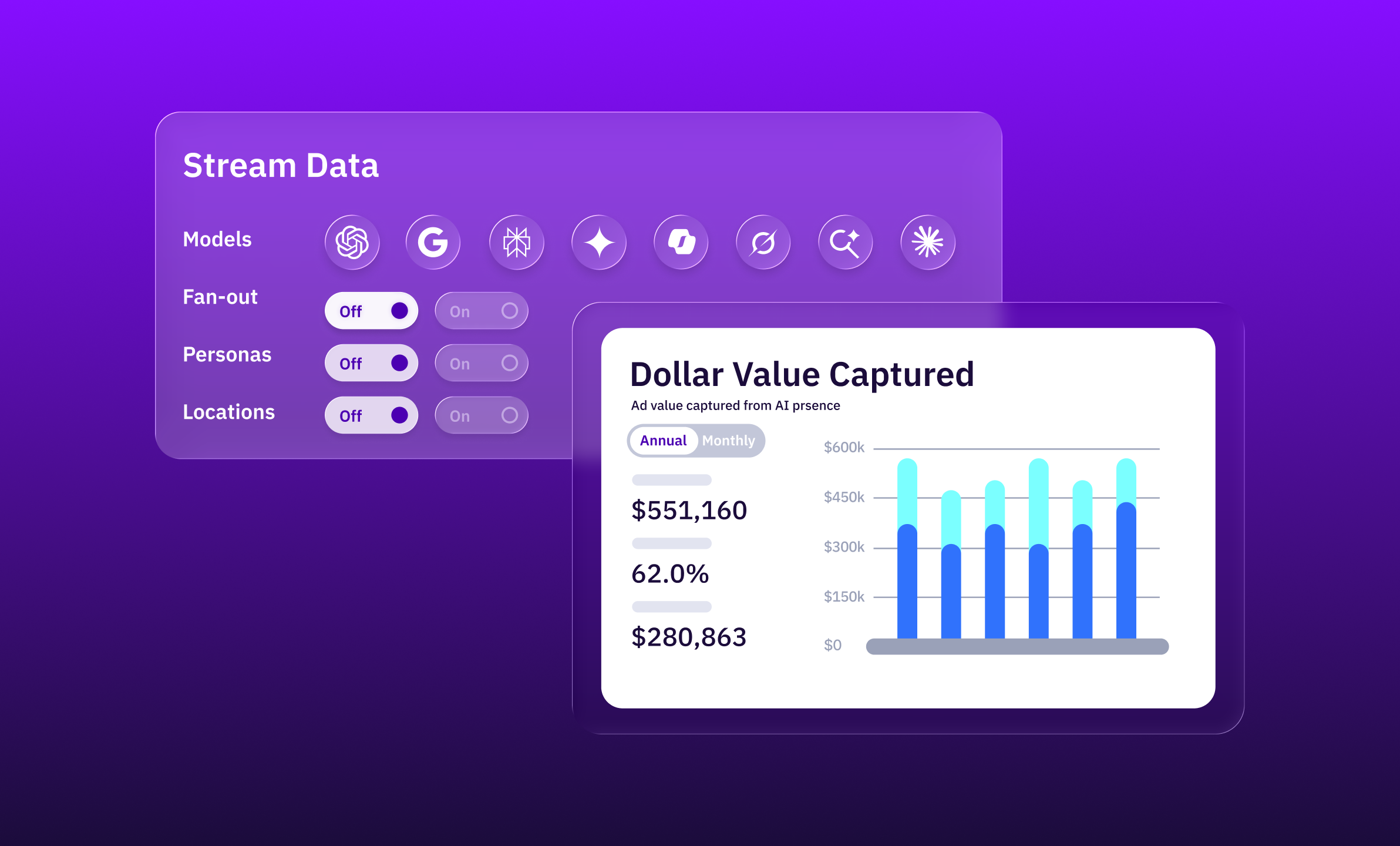
GEO Studio traces which domains, pages and social sources shape what AI says about a brand compared with its competitors, flags factual errors as models make them, and produces and publishes the content and corrections that close the gaps, at brand and location level.
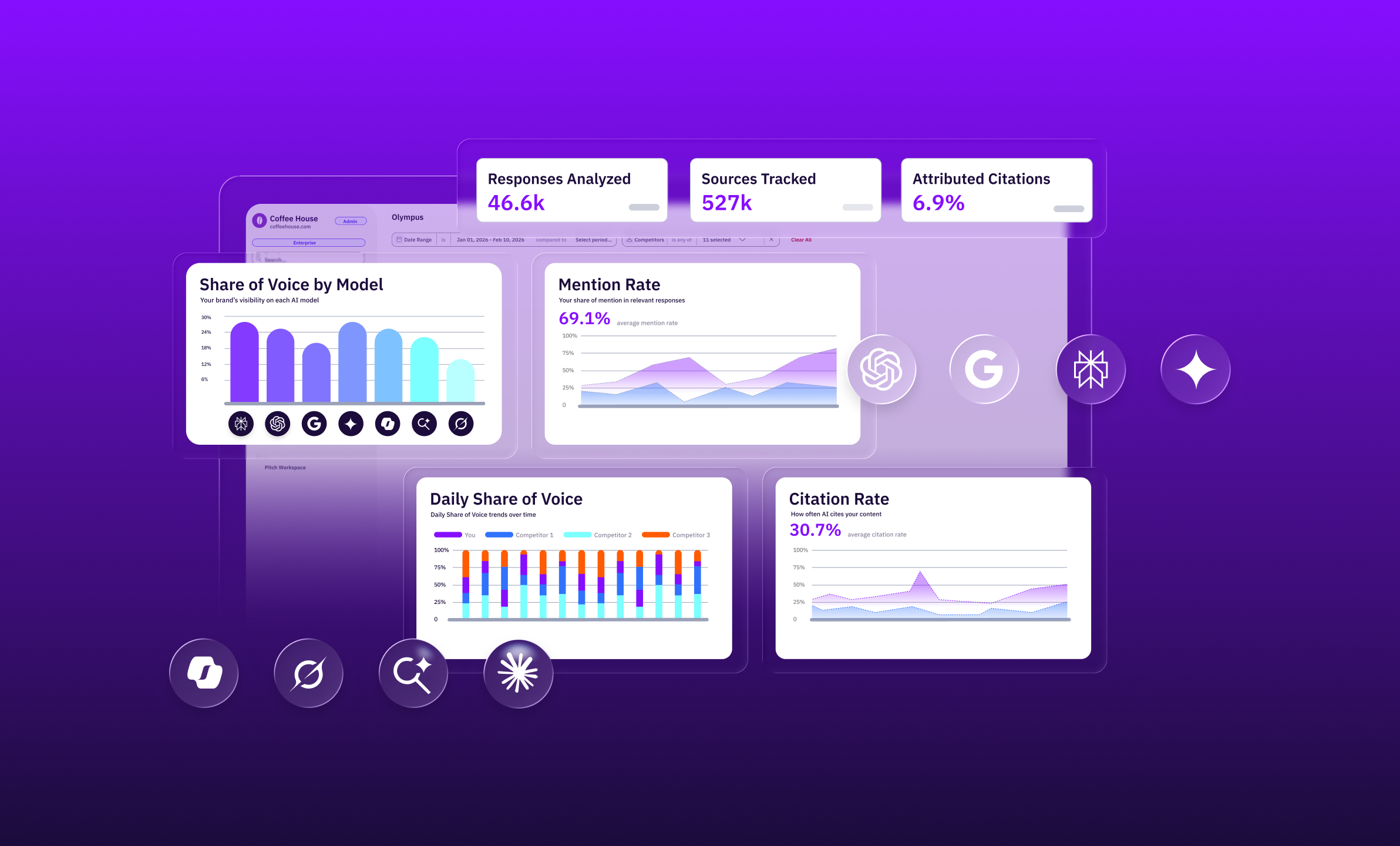
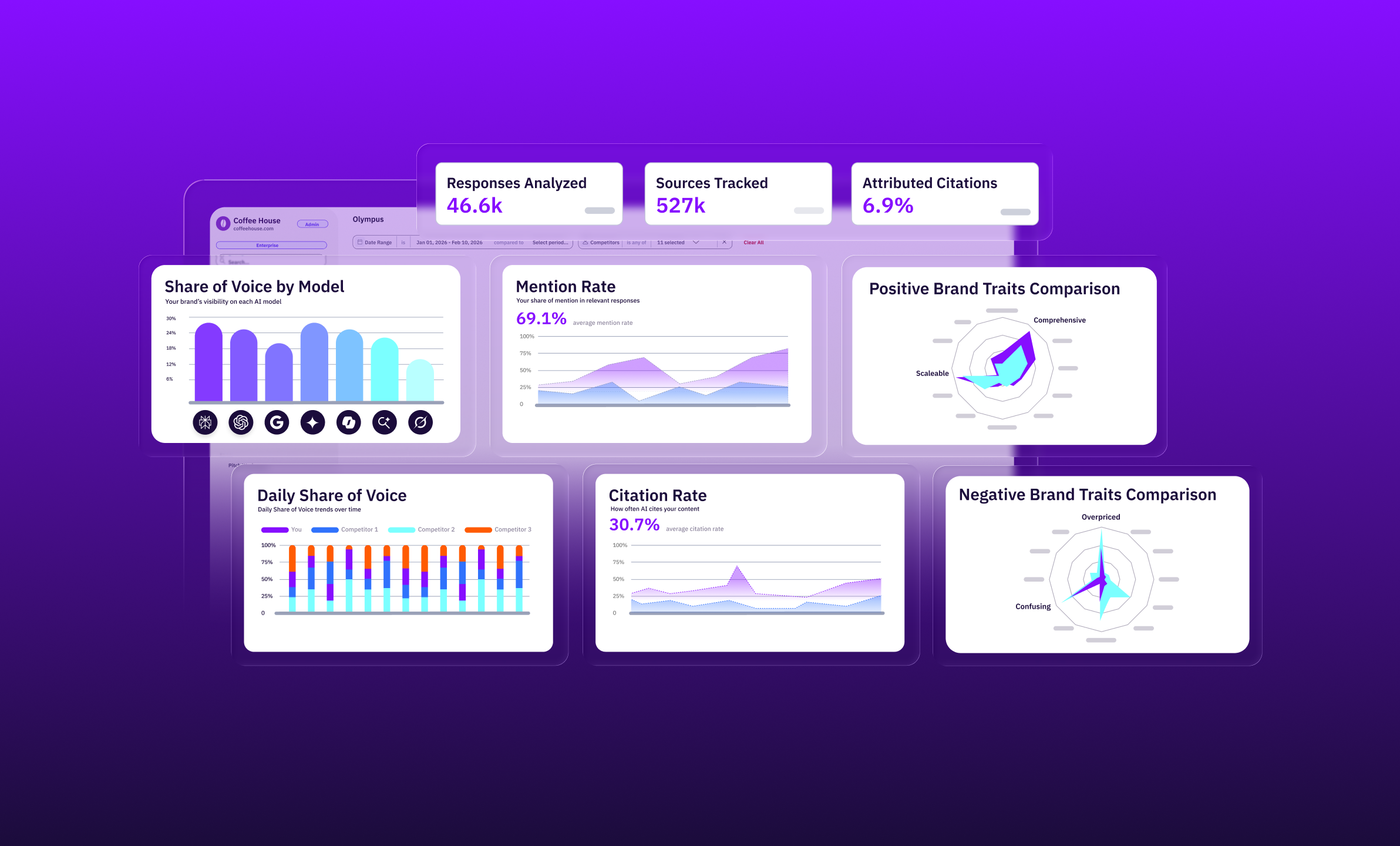
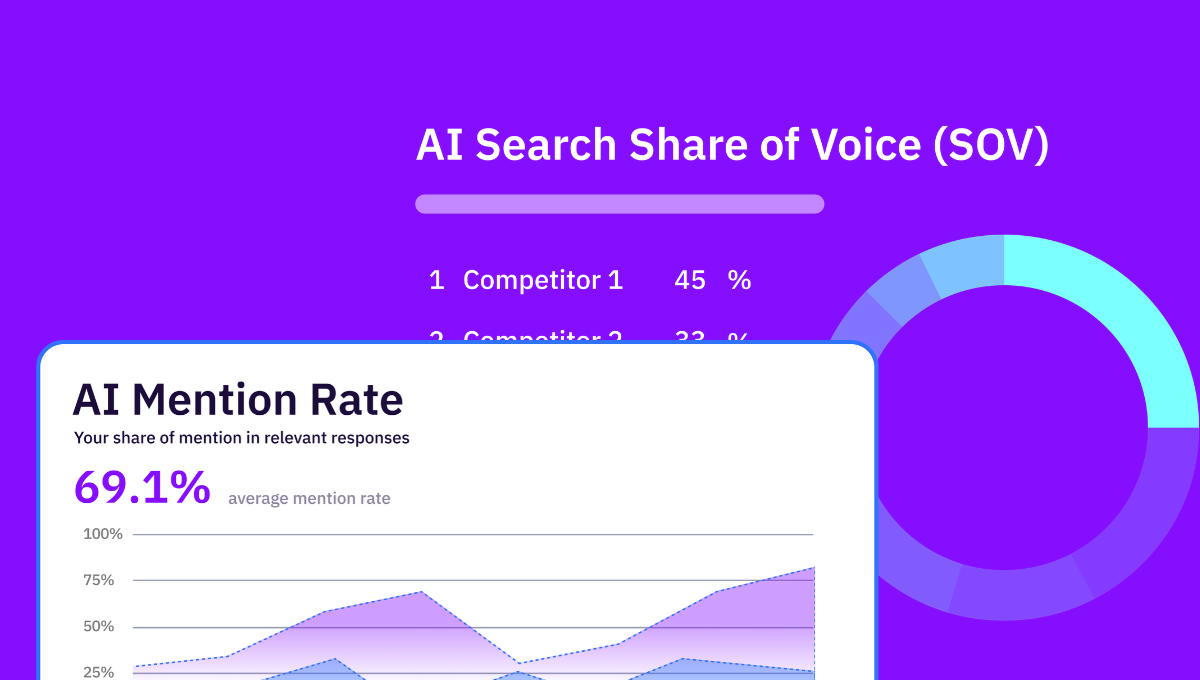
It tracks how AI models describe your brand across ChatGPT, Gemini, Perplexity Google AI, and more, at brand level, location level and by buyer persona, so you can see which questions you win, which you lose, and who you lose them to. A source breakdown shows what is driving those answers: the specific domains, individual pages and social sources, Reddit, LinkedIn, TikTok and YouTube among them, that AI models treat as reference material on your category. Hallucination detection catches factual errors as models begin repeating them, which matters given that 52% of brands find factual errors or misstatements in AI responses.
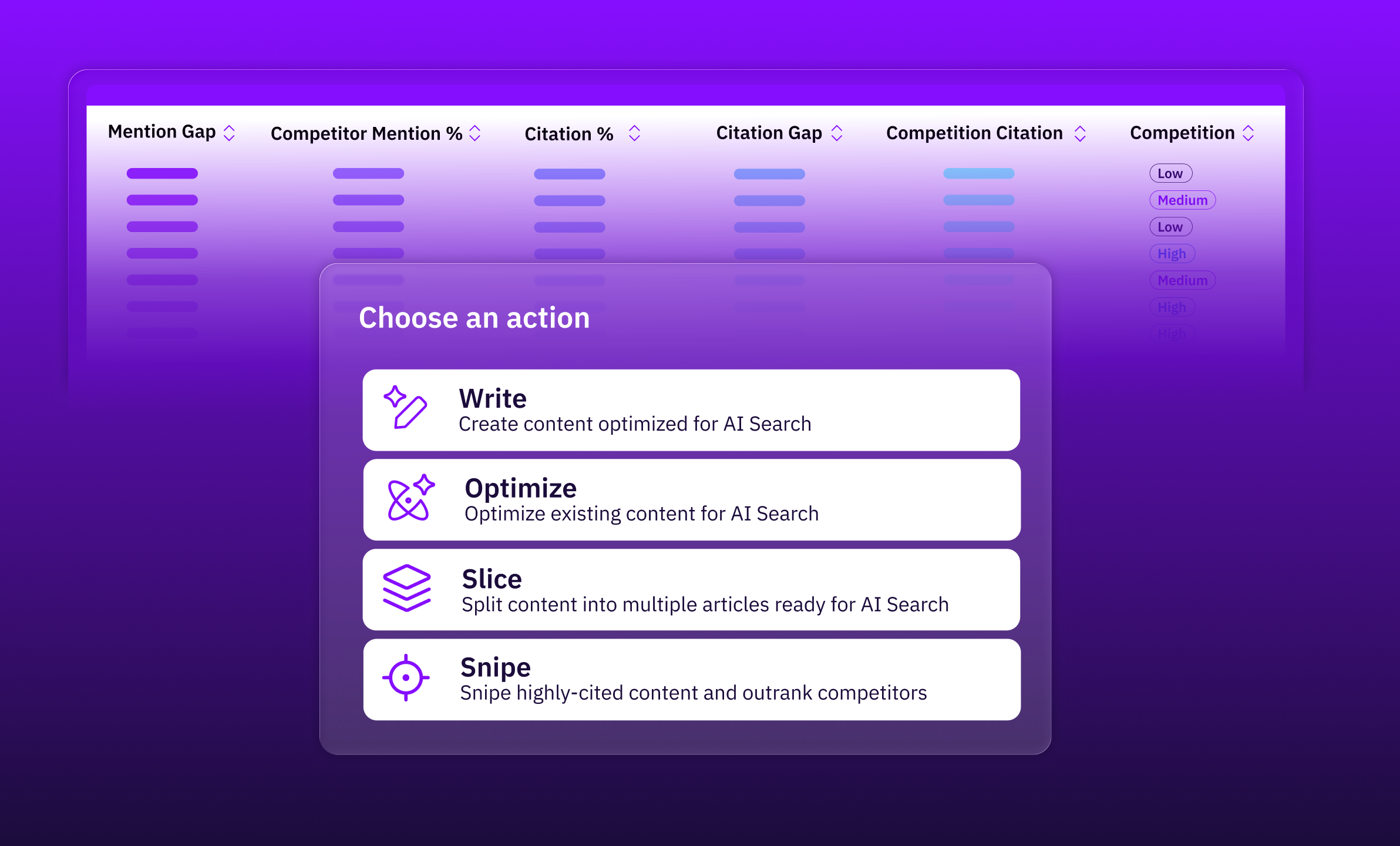
Then it acts. The Action Center produces the content and corrections that close those gaps, and publishes them into the places AI models actually read: your Google listings, your review responses, your social content and the FAQ content on your local pages.
Where the Leverage Sits
Influence in AI search does not come from owning a source, because the answer is assembled somewhere else.
It is also why the work is more tractable than it first looks. No brand can choose which source gets licensed next. Every brand can see how the models describe it today, find the questions it is losing, and change what those models have to work with.
Two moves, in that order: see where you stand, then win the answer.


1,800 brands trust us to stay visible
— not just show up once or twice in local search.


.png)

Frequently asked questions
The Yelp OpenAI deal means ChatGPT now has licensed access to 330 million Yelp business reviews, photos, ratings, and business information, giving it a source of local recommendation data it didn’t previously have. For multi-location brands, this changes what’s at stake: a business absent from AI-generated answers has lost a potential customer who never appeared in its analytics. Yelp’s Request a Quote feature is also coming to ChatGPT, letting users book directly from the answer.
AI search engines generate local business recommendations by assembling an answer, not ranking a list. When someone asks which dentist nearby is good with nervous patients, the model writes a single response on the spot from whatever sources it can reach — Yelp reviews, Google Business Profile data, editorial coverage, and directory listings. There’s no page one and no list of blue links. If your business isn’t in the sources the model reads, you’re not in the answer, regardless of how well your website ranks.
Yelp reviews now directly affect how AI recommends your business. With OpenAI licensing 330 million Yelp business reviews, ChatGPT reads the actual words customers used, not just a star average. A question about a hotel might get answered from the language in reviews, not from a rating score. The attributes not mentioned on your website hurt how frequently you appear in AI responses. This makes review content — what customers say, not just how many stars they give — a primary input for AI recommendations.
Brands can’t control where their data travels or how AI presents the answer — those decisions sit with the model provider. What brands can control is what sources already say about them and what AI models read next. That means keeping location data accurate across every platform, managing Yelp reviews and responses across locations, and creating content structured for AI citation — published where AI models actually look. The gap between seeing the problem and fixing it is where the work now sits.
Most consumers don’t fully trust AI search results yet. Research from Yelp and Morning Consult found that 65% of US adults had used an AI search tool in the previous six months, but only 15% said they trusted the information a lot. Nearly two thirds reported double-checking AI results against sources they trust, and 72% said AI platforms should always show where their information came from. If attribution becomes standard, what individual sources like Yelp say about your business becomes more visible, not less.
GEO (Generative Engine Optimization) is not SEO with a new name. SEO optimizes web pages to rank in a list of search results. GEO optimizes content to be cited in AI-generated answers — written to win the questions your brand is losing, structured so AI models can reference it, published where AI models look, and corrected when models get it wrong. The difference matters because 45% of consumers now use AI tools for local recommendations, up from 6% a year earlier — and a brand invisible in those answers has lost a customer, not a ranking.